Trading Window Closure at NSE/BSE: A Step-by-Step Guide for CS Freshers

InsiderQ • Guide for CS Freshers • 6 min read
- Understanding Trading Window Closure
- Receiving a Non-Compliance Advisory From NSE/BSE
- Step-by-Step Trading Window Closure Process
- NSE/BSE Website: How to Find Relevant Information
- Documents and Records to Maintain
- Common Mistakes CS Freshers Should Avoid
- Practical Example: Handling a Trading Window Closure Advisory
- How InsiderQ Supports Internal Trading Window Closure
- NSE/BSE Trading Window Closure vs. Internal Closure
- Conclusion
If you're a CS fresher and you've just received a non-compliance advisory about trading window closure from NSE or BSE, the first reaction is usually panic. The notice uses regulatory language you may not have seen before, it comes with a deadline, and nobody wants to be the reason a listed company misses a compliance requirement.
Take a breath. This guide walks you through what trading window closure actually means, why it exists, and exactly what to do, step by step, after an advisory lands in your inbox.
Quick Answer: Trading window closure is a period during which designated persons of a listed company and their immediate relatives cannot trade in the company's securities, because they may have access to unpublished price sensitive information (UPSI). If you receive a non-compliance advisory, your first steps are to read it carefully, note the deadline, verify the applicable regulation, and loop in your compliance officer before taking any action.
Understanding Trading Window Closure
What Is a Trading Window?
Think of the trading window as an open or closed gate for insiders. When it's "open," designated persons (directors, key managerial personnel, and certain employees) can buy or sell company shares, subject to the usual pre-clearance rules. When it's "closed," those same people (and their immediate relatives) must stop trading, because they are considered likely to have access to information that hasn't been made public yet.
Definition: Trading Window - A trading window is the period during which designated persons of a listed company are permitted to trade in the company's securities, subject to internal pre-clearance requirements. It is distinct from a "closure period," which is the time when trading is restricted.
Why Is the Trading Window Closed?
The core reason is straightforward: prevention of insider trading. When a company is about to announce something that could move its share price, such as quarterly results, a merger, a change in leadership, or a major acquisition, a small group of insiders knows about it before the rest of the market does. If they were free to trade during that window, they'd have an unfair advantage over ordinary shareholders.
Under India's Securities and Exchange Board of India (Prohibition of Insider Trading) Regulations, 2015 ("PIT Regulations"), Regulation 9 read with Schedule B requires every listed company to use a trading window as an instrument for monitoring trades by designated persons. The window must be closed whenever the compliance officer determines that a designated person, or a class of designated persons, can reasonably be expected to have access to UPSI. One of the most common triggers is the run-up to a financial results announcement, and reopening is expected to wait a defined minimum period after the relevant information becomes generally available to the market, so that ordinary shareholders have a fair chance to absorb it.
Definition: Unpublished Price Sensitive Information (UPSI) - UPSI is information about a listed company, or its securities, that is not generally available to the public and that would likely affect the share price if it became known. Financial results before they are announced, an unannounced merger, or a pending change in leadership are common examples.
Who Is Responsible?
Definition: Designated Persons - Designated persons are directors, key managerial personnel, and specific categories of employees identified by the company as likely to have regular access to UPSI. Their immediate relatives, such as a spouse or dependent family member, are generally covered by the same trading restrictions.
Responsibility here splits into two layers, and freshers often blur them together:
- Regulatory responsibility: The compliance officer is the person the PIT Regulations hold accountable for determining when the window closes, monitoring designated persons, and deciding when it's appropriate to reopen it.
- Company-specific procedure: The company secretarial team typically supports this process: sending closure communications, tracking acknowledgements, maintaining records, and coordinating between departments. These internal steps are shaped by the company's own Code of Conduct and are not identical from one company to another.
Important: Don't assume your company's internal SOP is a word-for-word restatement of the regulation. The regulation sets the minimum standard; the company's policy fills in the operational detail.
Receiving a Non-Compliance Advisory From NSE/BSE
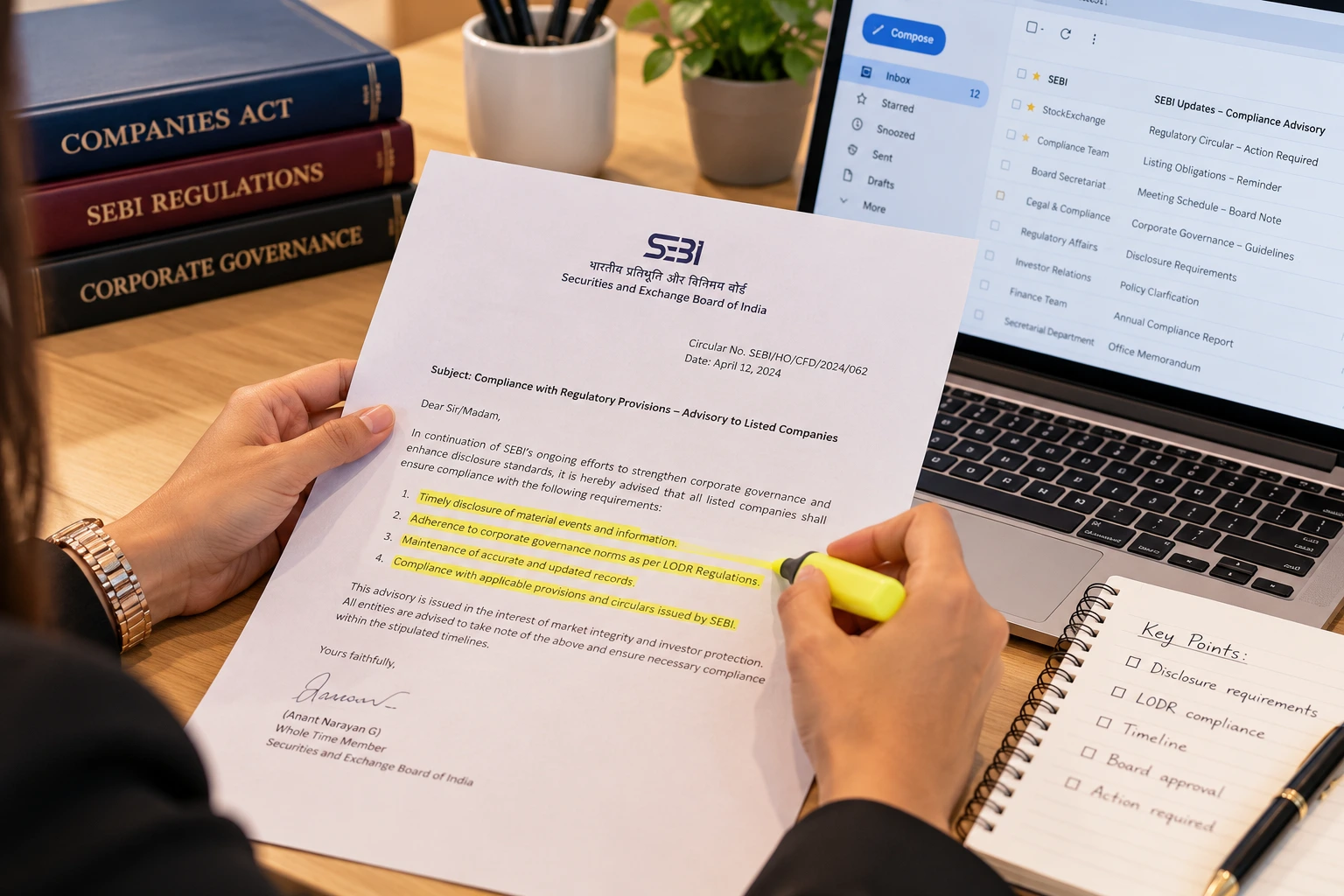
When an advisory arrives, resist the urge to react immediately. Instead, work through it methodically:
- Review the advisory in full before forming any conclusion about what went wrong.
- Identify the reporting period and the specific compliance issue the exchange has flagged. Is it about a missed disclosure, a delayed closure communication, or something else entirely?
- Check the deadline for your response or corrective action.
- Understand the corrective action requested. Exchanges usually specify what they expect from the company.
- Keep a dated copy of the advisory itself, along with any covering email, in a dedicated compliance folder.
A simple habit that helps freshers: create a one-page summary of every advisory the moment it's received, noting the date, the issue, the deadline, and who you've informed. This becomes your reference point for every step that follows.
Step-by-Step Trading Window Closure Process
Step 1: Review the Exchange Advisory
What to do: Read the advisory line by line. Identify the exact regulatory requirement being referenced and note every date mentioned.
Why it matters: Misreading the requirement at this stage cascades into every later step.
Documents needed: The advisory itself, and any prior correspondence on the same subject.
Example: A fresher notices the advisory references a specific quarter's results announcement and a closure period that allegedly wasn't implemented correctly.
Step 2: Verify Applicable Regulations
What to do: Cross-check the advisory against the relevant SEBI PIT Regulations provisions and any NSE/BSE circulars on the subject.
Why it matters: Confirms whether this is genuinely a trading window issue, or whether it actually concerns a different disclosure obligation.
Documents needed: SEBI PIT Regulations, applicable exchange circulars, the company's insider trading Code of Conduct.
Example: The fresher confirms the issue relates to Regulation 9 and Schedule B, not a separate listing disclosure requirement.
Step 3: Coordinate With Internal Stakeholders
What to do: Loop in the compliance officer immediately, and bring in finance or secretarial colleagues who hold relevant information.
Why it matters: Trading window issues are rarely resolved by one person working alone: dates, approvals, and designated person lists usually sit with different teams.
Documents needed: Internal contact list, prior closure communications, designated persons register.
Example: The fresher schedules a short call with the compliance officer and finance team to reconstruct the timeline.
Step 4: Determine the Required Trading Restriction
What to do: Confirm the applicable closure period by reviewing the company's internal trading window policy alongside the regulatory minimum.
Why it matters: Acting without this confirmation risks either an incomplete restriction or an unnecessarily long one.
Documents needed: Internal Code of Conduct, board-approved trading window policy, prior closure notices.
Example: The fresher confirms the closure period the company should have applied around the relevant results announcement.
Step 5: Communicate the Trading Window Closure
What to do: Notify designated persons (and, where applicable, their immediate relatives) with clear instructions and closure dates.
Why it matters: A documented, timely communication is often the strongest evidence that the company acted correctly.
Documents needed: Designated persons list, communication templates, distribution records.
Example: The fresher sends the closure notice through the company's standard channel and saves proof of delivery.
Step 6: Update Internal Compliance Records
What to do: Log the closure and reopening dates, along with approvals and supporting notes, in the compliance register.
Why it matters: This is the audit trail that demonstrates compliance if questioned later.
Documents needed: Compliance register, approval emails, board or committee minutes where relevant.
Example: The fresher updates the register the same day the closure notice goes out, rather than after the fact.
Step 7: Review Compliance Status
What to do: Check whether every required action has actually been completed, and escalate anything that hasn't.
Why it matters: Catching a gap internally is far better than an exchange catching it first.
Documents needed: The compliance register, the original advisory, an internal checklist.
Example: The fresher notices one designated person didn't acknowledge the closure notice and follows up directly.
Step 8: Complete Exchange-Related Follow-Up
What to do: Review exactly what response the advisory requires, and submit any clarification or supporting information within the deadline.
Why it matters: This is what formally closes the loop with the exchange.
Documents needed: The advisory, the compliance register, all supporting evidence gathered in prior steps.
Example: The fresher prepares a written response referencing the corrected records and submits it before the deadline.
Note: the exact process, timelines, and documentation requirements must always be validated against the specific advisory received and the company's own policies. This sequence is a general working framework, not a substitute for that verification.
NSE/BSE Website: How to Find Relevant Information
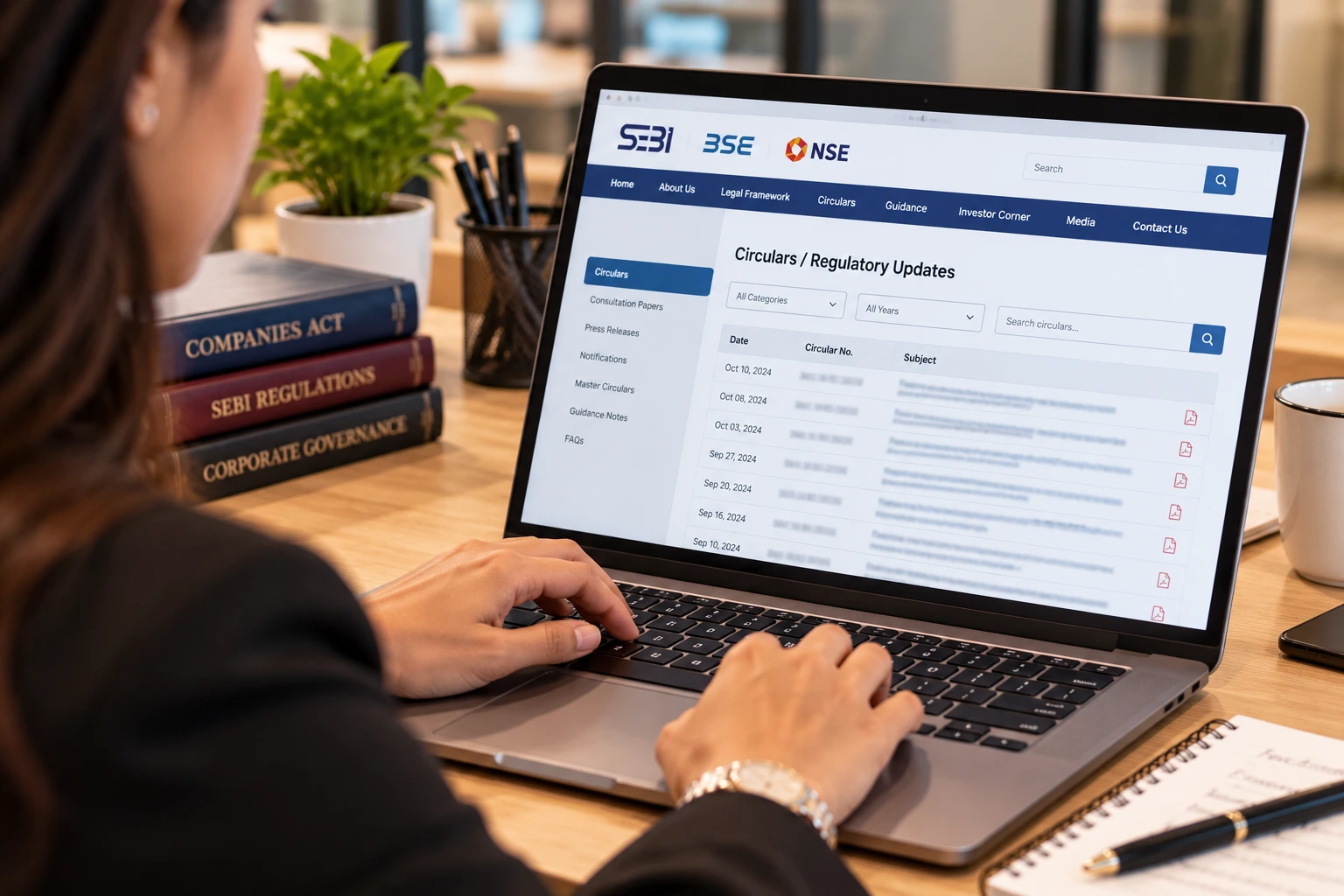
Both exchanges publish circulars and compliance-related notices on their official websites. As a general practice:
- Look for a dedicated "Circulars" or "Legal Framework" section on the exchange's site.
- Search using the specific regulation number (for example, Regulation 9 of the PIT Regulations) rather than generic terms.
- Cross-check any circular's date against the date referenced in your advisory, since requirements are amended periodically.
- Note that NSE and BSE may issue separate circulars on the same SEBI requirement, so it's worth checking both if your company is listed on either or both exchanges.
Because website layouts change over time, it's best to bookmark the exchange's official circulars page directly rather than relying on a search engine result that may be outdated.
Documents and Records to Maintain
Maintaining a clear audit trail protects the company and makes future advisories easier to handle.
Trading Window Closure Recordkeeping Checklist
- Copy of the original exchange advisory or trigger event
- Internal review notes and regulatory cross-check
- Trading window closure communication sent to designated persons
- Delivery or acknowledgement records
- Approval records (compliance officer sign-off)
- Updated compliance register with closure and reopening dates
- Any exchange correspondence and the company's response
- Supporting documents referenced in the response
The exact record requirements should be confirmed against the applicable regulations and your company's own policy. This checklist is a general starting point.
Common Mistakes CS Freshers Should Avoid
- Skimming the advisory instead of reading it fully. Important details, like the exact deadline or the specific regulatory clause, get missed.
- Missing compliance deadlines because the advisory wasn't flagged internally soon enough.
- Failing to verify the applicable regulation before acting, which can lead to the wrong corrective action.
- Incomplete internal communication, such as leaving out a relevant department or designated person.
- Not maintaining supporting records, which makes it harder to demonstrate compliance later.
- Assuming NSE and BSE processes are identical. They may issue separate circulars or expect different response formats.
- Taking action before confirming the required procedure, instead of verifying first and acting second.
Practical Example: Handling a Trading Window Closure Advisory

This is a hypothetical, illustrative scenario, not a real company or case.
A listed company receives a non-compliance advisory concerning its trading window closure around a quarterly results announcement.
- The compliance team receives and logs the advisory the same day.
- The CS fresher reviews the advisory and identifies the specific reporting period in question.
- The fresher cross-checks the applicable SEBI regulation and exchange circular.
- The compliance officer is looped in, along with the finance team, to reconstruct the announcement timeline.
- The company confirms the closure period that should have applied and takes the required internal action.
- Designated persons are notified in writing, with the closure period clearly stated.
- All communications, approvals, and register updates are documented.
- The company submits its response to the exchange before the stated deadline, along with supporting records.
This walkthrough shows how the eight-step process applies in practice: methodical, documented, and coordinated across teams.
How InsiderQ Supports Internal Trading Window Closure
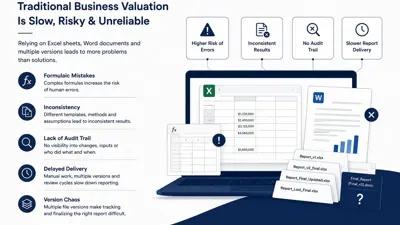
Managing trading window closure manually, using spreadsheets, email chains, and scattered approval records, becomes harder to sustain as a company's list of designated persons grows. This is where a dedicated internal compliance tool like InsiderQ can help.
InsiderQ is positioned to support internal workflows such as:
- Centralizing trading window closure communications so notices reach designated persons consistently.
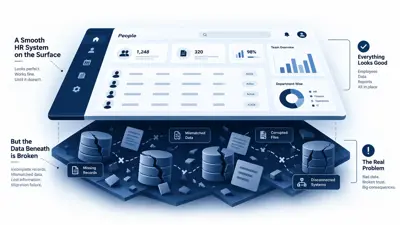
- Maintaining a structured compliance record instead of relying on scattered files.
- Tracking internal communication and acknowledgements in one place.
- Supporting documentation that the compliance team can retrieve quickly if questioned.
- Giving the compliance officer visibility into where each closure cycle stands.
It's worth being clear about what a tool like this does not do. It does not interpret SEBI regulations on your behalf, it does not replace the exchange's own advisory or notification process, and it does not substitute for the compliance officer's judgment on when a window should close or reopen. It supports the internal administrative side of the process. The regulatory decisions remain with the compliance officer and the company's legal advisors.
NSE/BSE Trading Window Closure vs. Internal Closure
A common point of confusion for freshers is assuming that an exchange-issued advisory and the company's own internal trading window system are the same thing. They aren't.
| Aspect | Internal Trading Window Closure | Exchange Advisory/Communication |
|---|---|---|
| Who initiates it | The company's compliance officer, based on internal UPSI assessment | NSE or BSE, based on their own monitoring or reporting checks |
| Purpose | Prevent designated persons from trading while they may hold UPSI | Flag a compliance gap or seek clarification/corrective action |
| Timing | Set proactively, ahead of anticipated UPSI events (like results) | Issued reactively, often after a reporting period has passed |
| What it governs | Actual trading behavior of designated persons and relatives | The company's compliance process and reporting obligations |
| Company's response | Internal notices, register updates, monitoring | Formal reply, clarification, or corrective submission to the exchange |
Understanding this distinction helps a fresher avoid treating every exchange communication as if it were the same as issuing an internal closure notice, when in fact they serve different functions and require different responses.
Conclusion
Trading window closure exists for one core reason: to keep insider trading out of the market by restricting trades when designated persons may hold information the public doesn't have yet. For a CS fresher, the process can look intimidating on day one, but it comes down to a manageable sequence: read the advisory carefully, verify the regulation, coordinate with the right people, act, communicate, and document everything along the way.
Getting comfortable with this workflow, and knowing the difference between an internal closure and an exchange-level communication, will make every future advisory easier to handle. And where the internal administrative load becomes heavy, a structured tool like InsiderQ can support the process, without ever replacing the compliance officer's regulatory judgment.
Key Takeaways
- Trading window closure restricts designated persons and their immediate relatives from trading when they may have access to unpublished price sensitive information (UPSI).
- The regulatory trigger and minimum standards come from SEBI's PIT Regulations (Regulation 9, Schedule B); company policy fills in the operational detail.
- After receiving an exchange advisory, review it fully, verify the applicable regulation, and coordinate internally before acting.
- The eight-step process (review, verify, coordinate, determine restriction, communicate, record, review status, and follow up with the exchange) gives freshers a repeatable framework.
- Maintaining a clear audit trail (communications, approvals, register entries) is central to demonstrating compliance.
- Internal trading window closure and exchange advisories are related but distinct; confusing the two is a common early-career mistake.
- Software like InsiderQ can support internal recordkeeping and workflow visibility but does not replace regulatory interpretation or the compliance officer's role.